
Lexington, MA, is known for its colonial neighborhoods, established residential lots, and a tree canopy that has matured over many decades. Across town, properties range from historic homes on wooded parcels to newer subdivisions with older specimen trees, and each setting brings its own access limits and tree health concerns. The network of tree care professionals in Waltham knows how to evaluate structural risk, control overgrowth, and remove deadwood while keeping driveways, walkways, and storm-prone areas usable through New England weather.
That is why more Lexington property owners turn to Arbor Tree Care for year-round maintenance.

Prefer to Talk to An Expert?
(781) 209-6020
Why Lexington Property Owners Rely on Local Experts
Because they work in the area, these professionals understand the dense canopy, older lot layouts, and freeze-thaw soil conditions that affect Lexington properties. Every job is matched with the right equipment and method for root pressure, storm damage, and fungal stress common across greater Waltham.
From expert stump removal solutions near the historic Battle Green corridor to canopy thinning along Marrett Road and Woburn Street, each project is completed with careful attention to long-term site stability.
If you care about preserving your landscape, local contractors can help keep it safe, organized, and healthy through Lexington’s full four-season cycle.
Our Tree-Service Services
in Waltham, MA, Include
A Service Area Built Around Lexington Neighborhoods
Lexington’s mature trees and tight residential access make cookie-cutter service a poor fit. Local professionals take a neighborhood-specific approach for every wooded, historic, or newly developed property in town.
Whether the work is on a colonial home in Munroe, a newer property in Hastings, or a larger lot near Willard’s Woods conservation land, the approach stays flexible and site-specific.
From reliable tree pruning services and tree removal to stump grinding and emergency response, services are shaped around the character of each property and the conditions on the ground.
Lexington’s Mature Urban Forest, Shaped by History
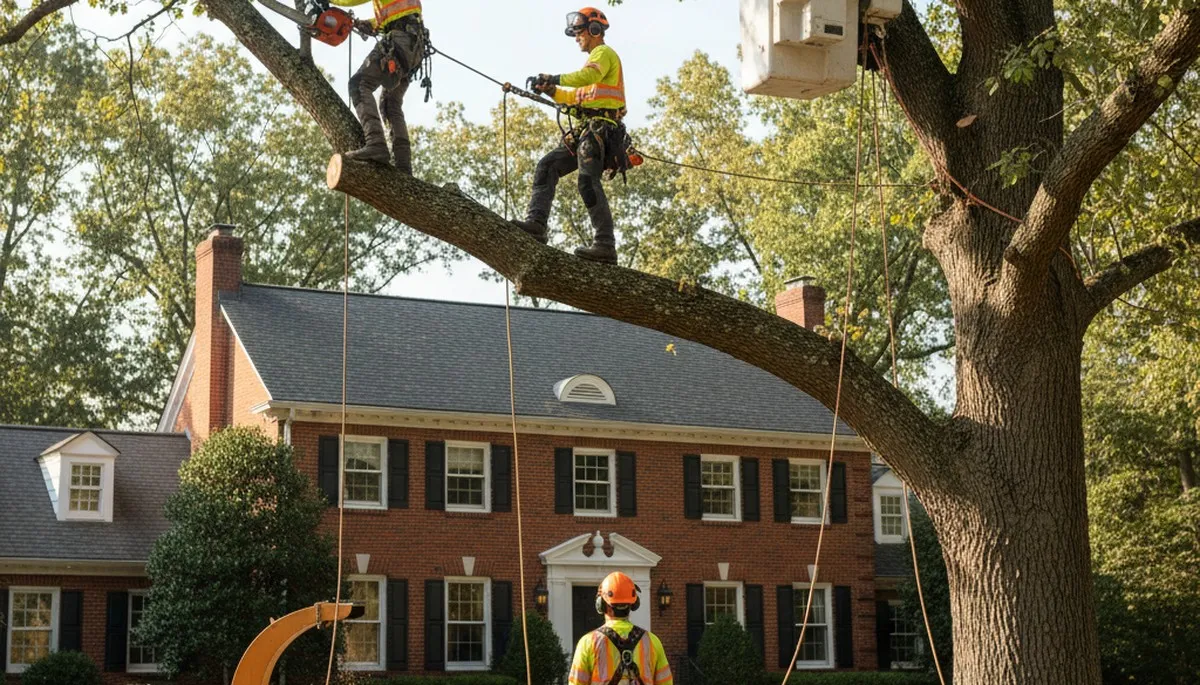
Lexington is one of Massachusetts’ oldest communities, and its landscape reflects centuries of settlement, conservation, and forest succession. That history still shows up in aging oaks and maples, long-established root systems beneath pavement, and structural defects that influence how tree care must be performed today.
Aging Canopy and Structural Tree Defects
Many Lexington properties, especially near Massachusetts Avenue and the Center neighborhood, feature large oaks, maples, and elms that have reached or passed peak structural maturity. As a result, co-dominant stems and internal decay can create serious hazards above roofs, driveways, and nearby lots.
Local professionals address these issues with crown reduction, deadwood removal, and cabling when it makes sense, helping reduce the chance of long-term failure and keeping access areas safer.
Root Encroachment on Driveways and Walkways
The town’s older trees provide shade and value, but their root systems often lift pavement and pressure nearby foundations. On established residential streets, surface roots can crack walkways and interfere with drainage close to the home.
Crews manage these conditions with precise root pruning, selective canopy reduction, and removal of trees that are no longer recoverable, all while working around existing hardscape and utilities.
Fungal Disease and Moisture-Driven Tree Decline
Years of dense canopy cover and seasonal humidity have made many Lexington trees vulnerable to fungal issues such as oak wilt, anthracnose, and canker diseases that weaken trees over time.
Trusted pros support tree health through professional tree disease treatment programs, preventive pruning, and soil health care that can improve resilience and slow decline.
Nor’easter and Ice Storm Damage
Winter storms in New England can bring heavy snow, freezing rain, and strong winds that break limbs across Lexington’s mature canopy, especially where trees already have structural weakness.
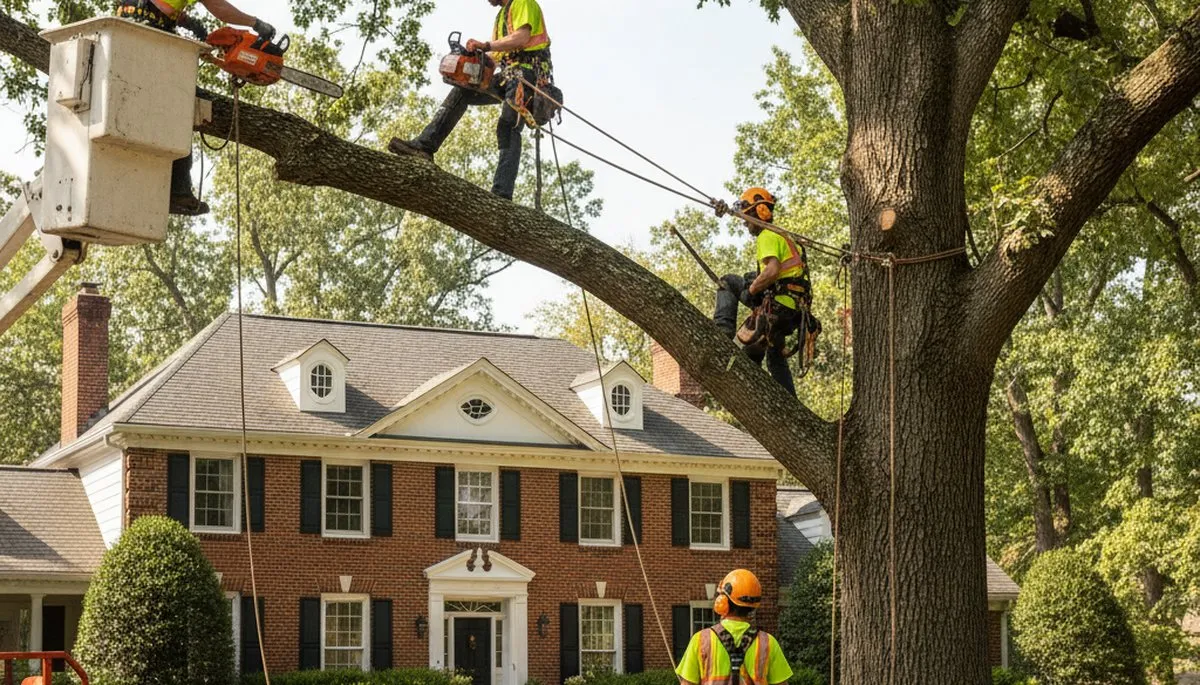
Experienced crews respond with aerial lift equipment, hand-climbing methods, and organized debris removal to restore safe access and protect the property after severe weather.
Narrow Lot Access and Equipment Constraints
Historic Lexington neighborhoods often include narrow side yards, low gates, and dense plantings, which makes large equipment access difficult and requires a more adaptive approach on nearly every job.
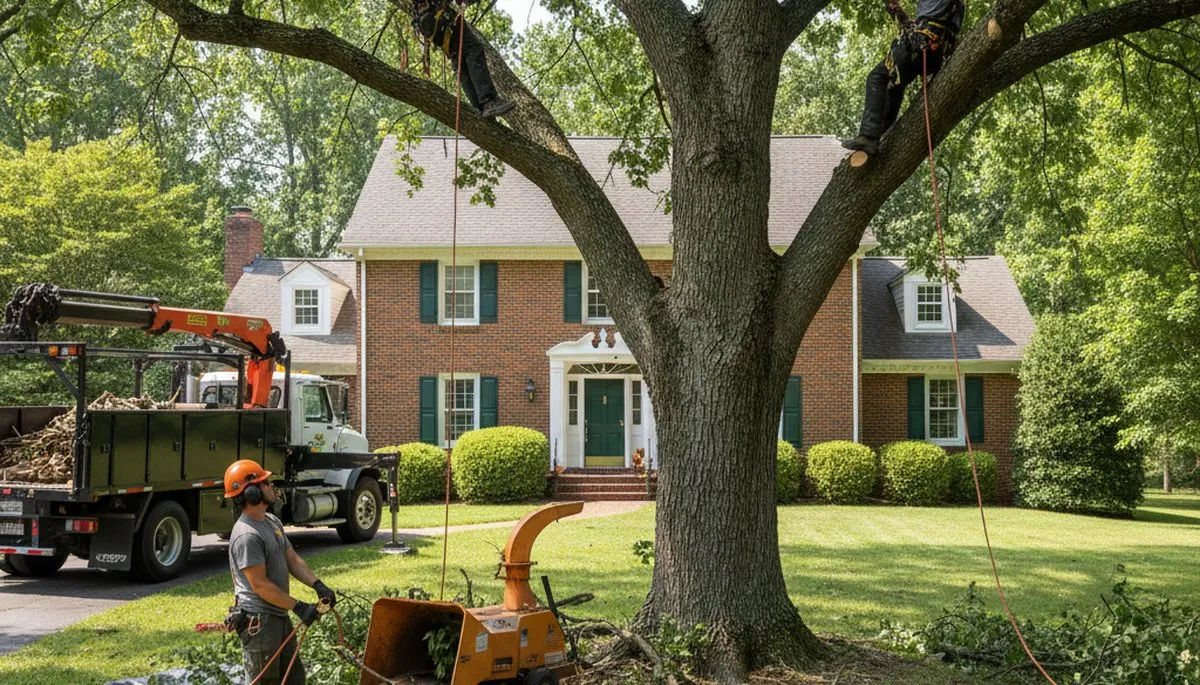
Local professionals rely on compact aerial equipment and rigging systems, using sectional removal and controlled debris handling to complete work effectively on properties with limited access.
For ideas on keeping your Lexington property maintained throughout the year, request a free quote from a local professional by calling (781) 209-6020.
Every property deserves safe access. Let Arbor Tree Care help you protect it!

Kick off your tree service project today!

Tree Services in Lexington, MA: Care for Every Season
From routine maintenance to urgent storm cleanup, here is how local professionals help keep Lexington properties safe, stable, and well cared for in every season:
Routine Tree Trimming and Pruning in Lexington, MA
- Crown thinning on mature white oaks along Hancock Street to lower wind resistance and bring more light into heavily shaded yards
- Seasonal pruning of ornamental cherry and crabapple trees near the Lexington Center historic district to preserve shape and reduce fungal pressure
- Canopy lifting along Woburn Street and Lowell Street where low branches interfere with sidewalks and visibility
- Structural pruning of young street trees in newer Lexington subdivisions near Hartwell Avenue to guide healthy branch development early
- Deadwood removal from large maples and oaks on wooded lots near conservation areas such as Whipple Hill to reduce hazard potential before winter. Crews serving Lexington also handle tree trimming services in Lincoln, MA for properties along the shared conservation corridor.
Plan routine trimming before late fall to reduce storm-related risk on your Lexington property.
Tree Removal Services in Lexington, MA
- Removal of hazardous trees along Massachusetts Avenue where aging elms and maples show decay or co-dominant stem failure
- Dead tree removal from rear lots in Munroe and East Lexington to eliminate standing snags before they become a hazard
- Storm-damaged tree removal after nor’easters and ice events, including same-day response for trees blocking access or damaging structures
- Removal of invasive Norway maples and other non-native trees that compete with native canopy and affect understory health across residential Lexington
- Complete tree removal with root ball extraction on tight lots where a stump would interfere with new landscaping or hardscape work. Similar removal challenges are addressed for tree removal contractors in Arlington, MA where mature suburban canopy creates comparable access constraints.
Removing dying or hazardous trees before winter can lower the chance of storm damage in Lexington’s older neighborhoods.
Stump Grinding and Cleanup in Lexington, MA
- Surface stump grinding on front lawns along Marrett Road and Maple Street where old stumps interfere with mowing and curb appeal
- Below-grade grinding for stumps near foundations, walkways, or planned beds to limit regrowth and soil disruption
- Multi-stump clearing on wooded rear lots where leftover stumps block mowing, landscaping, or play space
- Chip removal and cleanup after grinding, followed by grading and topsoil fill to restore a usable surface
- Stump treatment for invasive species such as Norway maple and tree-of-heaven to help stop resprouting from remaining roots on Lexington’s residential and conservation-adjacent properties
Prompt stump grinding helps prevent regrowth, reduces tripping hazards, and prepares the area for replanting or lawn repair.
Emergency Tree Services in Lexington, MA
- Fast response to fallen trees blocking driveways, roads, or structures after nor’easters and ice storms
- Emergency limb removal from roofs, fences, and utility-adjacent areas after wind damage to mature oaks and maples
- 24-hour hazard checks for trees with a sudden lean, lifted roots, or major storm damage that creates immediate risk
- Debris clearing after multi-tree failures on larger wooded lots to restore access and support follow-up work
- Coordination with property owners for post-storm documentation and additional canopy evaluation when hidden hazards may remain after the first response
Quick emergency response helps Lexington properties avoid extra damage when storms hit an already mature tree canopy.